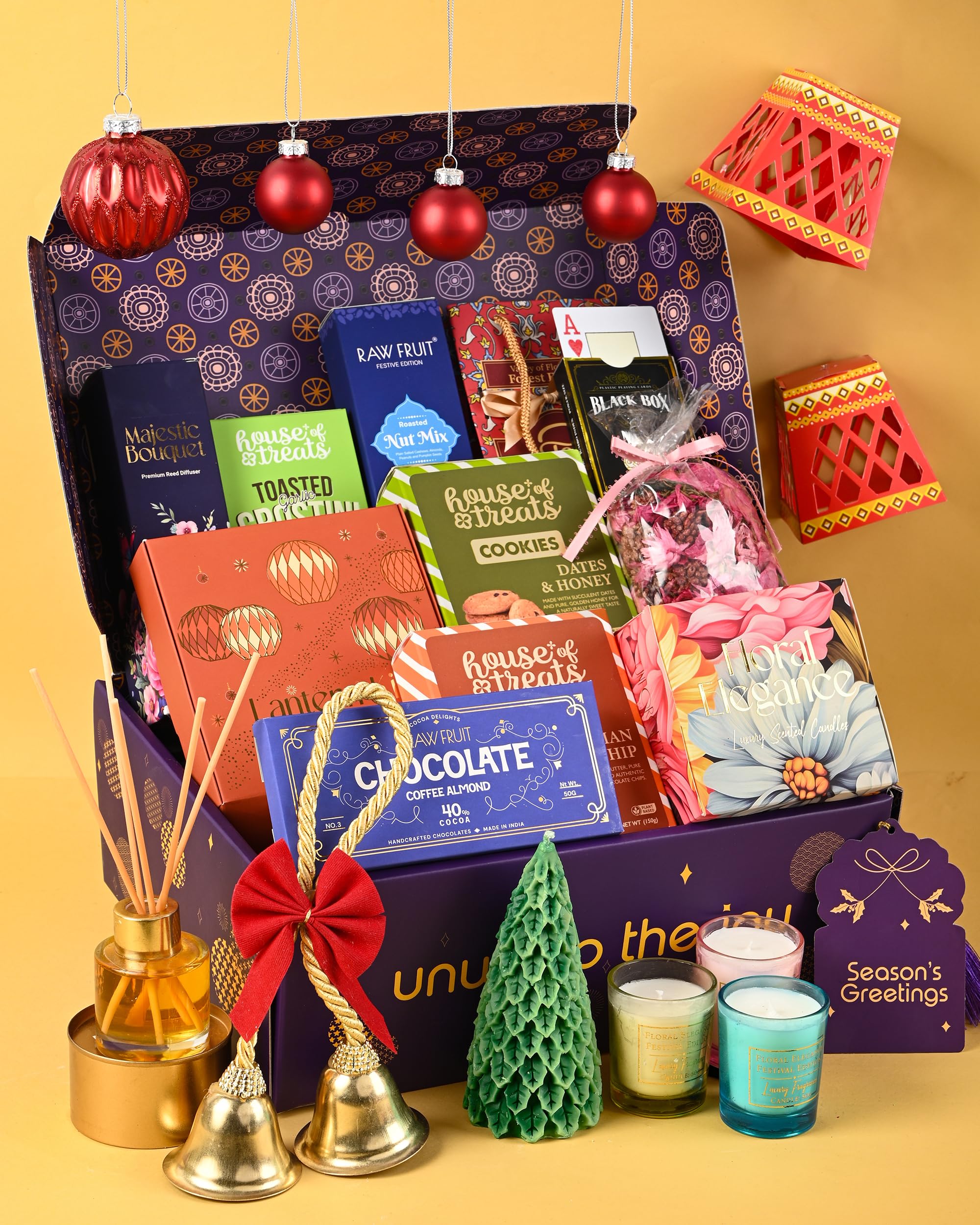
The holiday season is a whirlwind of gifts, glitter, and the occasional last‑minute scramble. When you’re in the business of curating Christmas hampers, the risk of a return or exchange can feel like a snowstorm on a sunny day. But fear not—handling returns or exchanges for Christmas hampers doesn’t have to be a sleigh‑ride nightmare. With a clear policy, thoughtful packaging, and a dash of customer‑centric charm, you can turn a potential disappointment into a win for both you and the recipient.

Understanding the Return Landscape
Before you draft a return policy, ask yourself: why would someone return a hamper? The reasons range from simple size mismatches to a recipient’s sudden change of taste. Knowing the common triggers helps you design a policy that’s both fair and efficient.
- Product mismatch – Wrong item or incorrect size. Damaged goods – Broken packaging or spoiled contents. Change of mind – The recipient decides they don’t want the hamper. Special requests – A holiday gift that needs a quick swap.
By anticipating these scenarios, you can streamline the process and reduce the back‑and‑forth that often plagues holiday sales.
Crafting a Clear Return Policy
A well‑crafted return policy is your first line of defense against confusion and frustration. Think of it as the North Pole’s rulebook—clear, concise, and easy to follow.
Setting Time Frames
Customers appreciate knowing the window in which they can act. A typical timeframe for holiday hampers is 14–30 days after delivery. This period gives recipients enough time to open the hamper and decide, while also preventing a flood of returns weeks after the season has passed.
Defining Acceptable Reasons
Be explicit about what qualifies for a return. For example:
- Damaged or defective items – Must be reported within 7 days of receipt. Wrong item received – Must be reported within 14 days. Change of mind – Accepted only if the hamper is unopened and in original packaging.
Clarity reduces disputes and keeps the process moving smoothly.
Packaging and Shipping Tips
The way you package a hamper can be the difference between a smooth return and a logistical nightmare. Think of your packaging as a protective cocoon; it should keep the contents safe while making returns effortless.
Protecting the Hamper
- Use sturdy boxes that can withstand handling. Add cushioning (bubble wrap, packing peanuts) around fragile items. Label the box with “Fragile – Handle with care” to alert couriers.
A well‑protected hamper is less likely to incur damage, which in turn reduces return rates.
Tracking the Return
Always provide a tracking number for both outgoing and return shipments. This transparency builds trust and allows you to monitor the return’s progress. If the customer notices a delay, you can proactively reach out and keep the experience positive.
Communicating with Customers
Effective communication is the secret sauce in any return process. It’s like a warm cup of cocoa on a cold winter’s day—comforting and reassuring.
The First Contact
When a customer initiates a return, respond promptly—ideally within 24 hours. A quick reply shows you care and sets the tone for the rest of the interaction. Use a friendly yet professional tone, and confirm receipt of their request.
Follow‑Up Etiquette
After the return is processed, send a follow‑up email confirming the refund or exchange. Hamper sets Include:
- The amount refunded or the new item’s shipping details. A thank‑you note for their patience. A gentle nudge to share feedback on their experience.
A little courtesy goes a long way.
Handling the Return Process
Once the hamper lands back in your warehouse, it’s time to roll up your sleeves and inspect.
Inspection Checklist
- Condition – Is the hamper intact? Are contents missing or damaged? Packaging – Is the original box still sealed? Any signs of tampering? Documentation – Does the return form match the original purchase details?
If the hamper passes inspection, you can proceed with a refund or exchange. If not, communicate the issue clearly to the customer.
Restocking or Replacement
- Restocking – If the hamper is in perfect condition, restock it for future sales. This reduces waste and saves cost. Replacement – Offer an alternative hamper of equal or higher value. A quick swap keeps the customer happy and maintains your brand’s reputation.
Learning from Experience
Every return is a learning opportunity. By analyzing patterns, you can fine‑tune your offerings and reduce future returns.
Customer Feedback Loop
Ask for feedback after the return is resolved. A simple survey can reveal:
- Why the hamper didn’t meet expectations. Suggestions for improvement. Overall satisfaction with the return process.
Use this data to tweak product descriptions, packaging, or even your return policy.
Adjusting Inventory
If certain hampers consistently attract returns, consider revising the contents. Perhaps a different flavor or a smaller size would better suit the market. Think of inventory management as a dance—adjust the steps to keep the rhythm smooth.
Making Your Selection Count
In the world of Christmas hampers, the goal isn’t just to sell a box; it’s to create a memorable experience. By handling returns or exchanges for Christmas hampers with care, you’re not just solving a problem—you’re building https://pastelink.net/rivcb2r9 loyalty. As the saying goes, “The best gifts are those that come from the heart.” When customers feel that your brand genuinely cares about their satisfaction, they’re more likely to return next year—perhaps even with a bigger order.
Ready to turn holiday returns into holiday success? Start by drafting a clear, customer‑friendly return policy, invest in robust packaging, and keep communication open. Your customers will thank you, and your business will thrive—one well‑handled hamper at a time.